
MAT (MEDICATION-ASSISTED TREATMENT): ANTABUSE, BRIXADI, SUBLOCADE, AND SUBOXONE
Medication-Assisted Treatment (MAT) combines FDA-approved medications with therapy to support recovery from substance use disorders. Medications like Antabuse, Brixadi, Sublocade, and Suboxone help reduce cravings, prevent relapse, and stabilize brain chemistry so individuals can focus on healing and behavioral change.
CBT (COGNITIVE BEHAVIORAL THERAPY)
Cognitive Behavioral Therapy helps individuals identify and change negative thought patterns that influence harmful behaviors. It teaches practical coping skills to manage triggers, stress, and emotional challenges in recovery.
DBT (DIALECTICAL BEHAVIORAL THERAPY)
Dialectical Behavioral Therapy focuses on building skills in emotional regulation, distress tolerance, mindfulness, and interpersonal effectiveness. It is especially helpful for individuals struggling with intense emotions, impulsivity, or co-occurring mental health conditions.
BRAIN MAPPING
Brain mapping uses advanced technology to measure brain activity and identify areas of imbalance or dysregulation. This information helps clinicians develop more personalized treatment plans to support mental health and recovery.
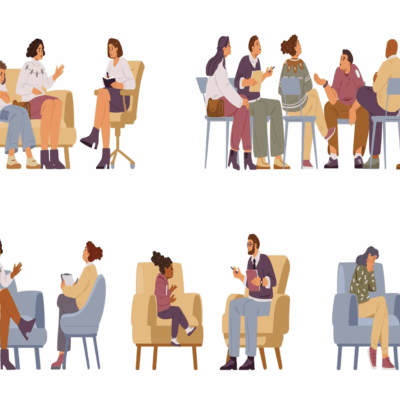
COUNSELING: INDIVIDUAL & GROUP
Individual counseling provides one-on-one support to address personal challenges, goals, and underlying issues related to substance use. Group counseling offers peer support, shared experiences, and accountability in a structured, therapeutic environment.
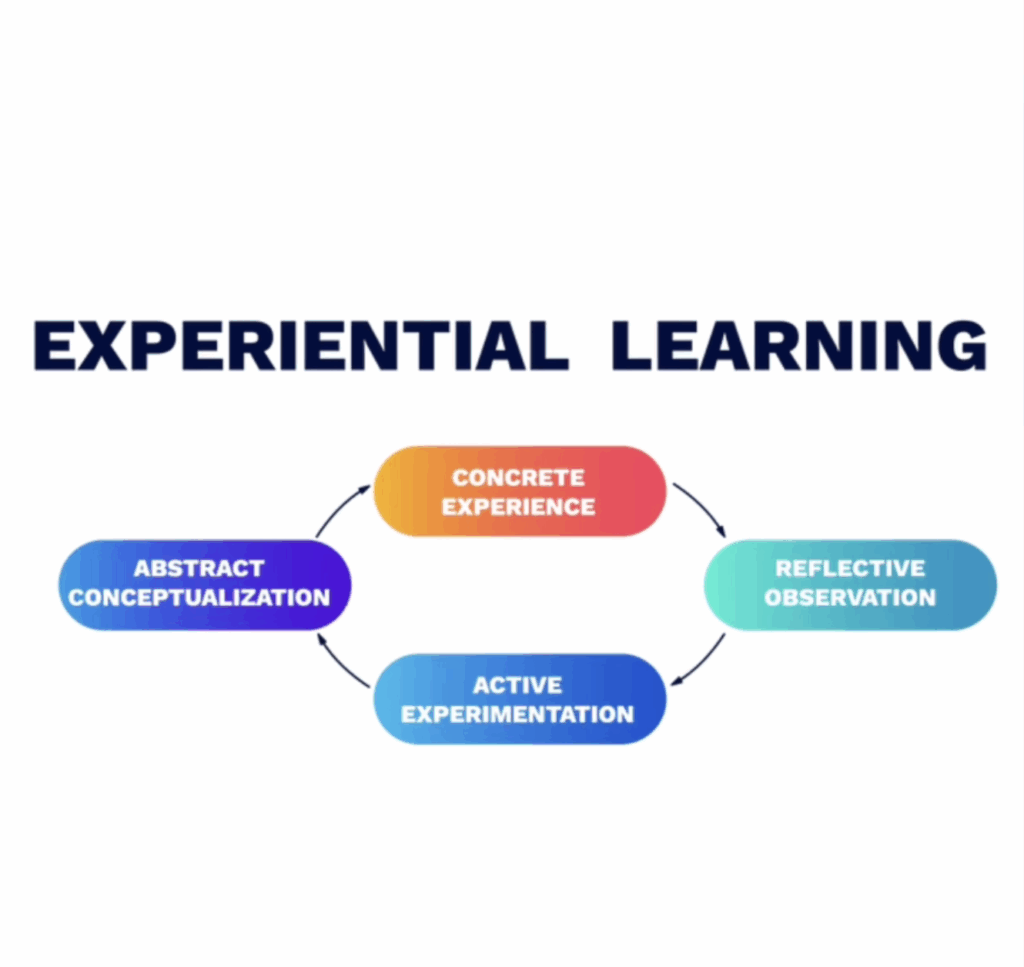
EXPERIENTIAL THERAPY
Experiential therapy uses hands-on activities such as role-playing, movement, or creative expression to help individuals process emotions. This approach allows clients to access feelings and insights that may be difficult to express through talk therapy alone.

MOTIVATIONAL INTERVIEWING
Motivational Interviewing is a collaborative, client-centered approach that strengthens personal motivation for change. It helps individuals explore ambivalence and build confidence in their ability to pursue recovery.

TRAUMA-INFORMED THERAPY
Trauma-informed therapy recognizes the impact of past trauma on mental health and substance use. It emphasizes safety, empowerment, and trust while helping individuals heal without re-traumatization.
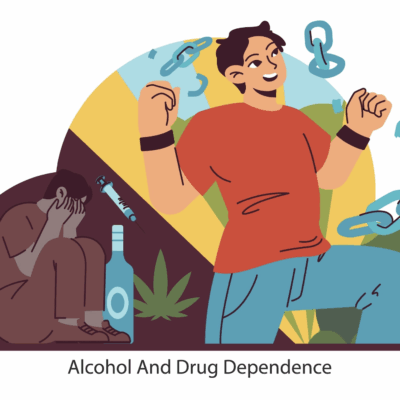
RELAPSE PREVENTION
Relapse prevention focuses on identifying triggers, high-risk situations, and early warning signs of relapse. Clients learn practical strategies to maintain sobriety and respond effectively to challenges.

ART THERAPY
Art therapy uses creative expression such as drawing, painting, or sculpting to help individuals process emotions and experiences that may be difficult to put into words. It supports emotional healing, self-awareness, and stress reduction in a safe, therapeutic setting.
MUSIC THERAPY
Music therapy incorporates listening to, creating, or discussing music to support emotional expression and mental well-being. It can help reduce anxiety, improve mood, and strengthen coping skills during the recovery process.
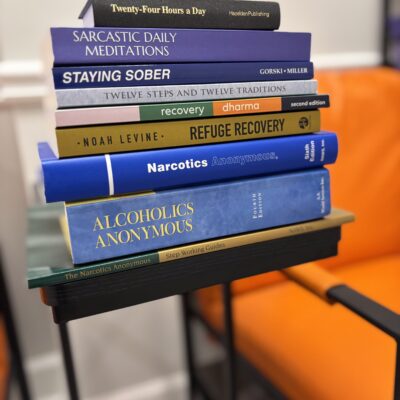
Introduction to Refuge, SMART Recovery, and Twelve Step Meetings
This introduction familiarizes individuals with multiple peer-support recovery models. Clients explore Refuge Recovery, SMART Recovery, and Twelve Step programs to identify the approach that best aligns with their values and recovery goals.